
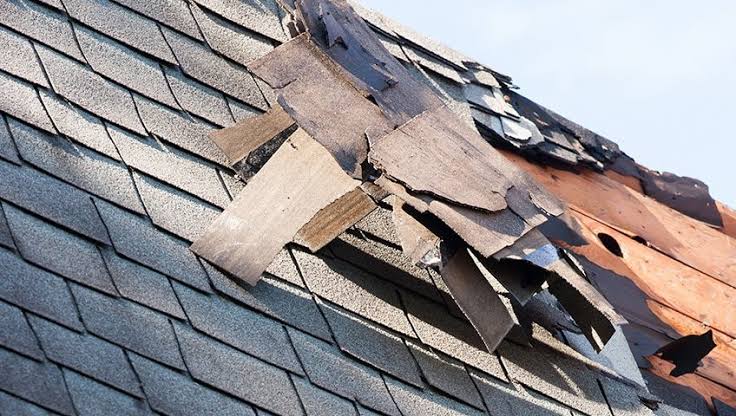
When it comes to safeguarding homes from severe weather, roofing plays an essential role. Homeowners need more than just a standard roofing system in areas prone to heavy rainfall, high winds, and flying debris during storms. We will explore how impact-resistant roofing in Longwood, FL can provide superior protection against the forces of nature, specifically during severe storms. This type of roofing is engineered to withstand the impact of debris and heavy winds, helping to minimize damage and maintain the home’s integrity. Understanding its design, benefits, and how it performs under storm conditions can guide homeowners toward making informed decisions for long-term protection.
Understanding Impact-Resistant Roofing Materials
Impact-resistant roofing is designed to endure the harshest weather conditions, particularly during violent storms. These roofs are typically made from materials that can absorb and deflect the force of falling debris, hailstones, or high winds without sustaining significant damage. Common materials used in impact-resistant roofing include modified bitumen, asphalt shingles, metal, and synthetic tiles, all tested for their ability to resist impacts and prevent damage. These roofing systems are classified by different impact ratings, indicating their ability to withstand varying levels of impact force. The most well-known rating system is the UL 2218 standard, which categorizes roofs based on their performance under hail impact tests. Homes equipped with this type of roofing benefit from enhanced durability and greater protection in storm-prone regions.
How Impact-Resistant Roofing Mitigates Storm Damage
One of the primary reasons homeowners invest in impact-resistant roofing is its ability to mitigate storm damage. During severe storms, flying debris such as tree branches, shingles, and even loose outdoor furniture can cause significant harm to roofs. Traditional roofing materials may crack, break, or become dislodged, leaving the home vulnerable to water leaks and structural damage. However, impact-resistant roofing minimizes these risks by maintaining its integrity despite being struck by large or fast-moving objects. Additionally, many impact-resistant roofing systems are designed to withstand extreme wind speeds. In areas prone to hurricanes or tornadoes, a roof that can endure wind speeds of up to 130 mph or more can make a substantial difference in the damage sustained by the home.
The Role of Impact-Resistant Roofing in Long-Term Home Protection
Installing impact-resistant roofing does more than just provide short-term protection during storms. It also contributes to long-term home defense by extending the roof’s lifespan and reducing the need for frequent repairs. Traditional roofing systems may require frequent maintenance and costly repairs due to damage caused by hail, debris, or wind. Over time, these repairs can add up, and in some cases, the roof may need to be completely replaced. However, homes equipped with impact-resistant roofing can save homeowners from the financial burden of recurring roof repairs. With a more durable roofing material, homes are better equipped to withstand multiple storms over the years without experiencing significant wear and tear.
Energy Efficiency and Storm Protection Combined
Impact-resistant roofing doesn’t just protect homes from physical damage—it can also contribute to improved energy efficiency. Many of these roofing systems come with reflective coatings that help reduce heat absorption, leading to lower energy costs for homeowners. This energy-saving feature can be especially valuable in storm-prone regions where temperatures can soar during the summer. By reducing the heat the roof absorbs, impact-resistant materials help maintain cooler indoor temperatures, ultimately decreasing the load on air conditioning units. Additionally, these roofing systems often feature insulation properties that keep the home warmer in colder weather, adding to the household’s overall comfort and energy efficiency. Homeowners can enjoy the benefits of lower energy bills and superior protection against severe weather.
Cost Considerations for Impact-Resistant Roofing
While the protection offered by impact-resistant roofing is invaluable, there are cost considerations to consider. Initially, installing an impact-resistant roofing system can be more expensive than traditional roofing materials. However, the long-term savings in repair costs and the potential for reduced insurance premiums make it a worthwhile investment for many homeowners. Insurance companies often offer discounts to policyholders with impact-resistant roofs due to the reduced likelihood of damage from storms and hail. Over time, the reduced frequency of repairs and the extended lifespan of the roof can offset the initial installation costs. Additionally, homeowners who invest in these roofing systems may find that they increase the overall value of their property, as prospective buyers in storm-prone areas will appreciate the added protection.
Choosing the Right Impact-Resistant Roofing for Your Home
Selecting the right type of impact-resistant roofing requires careful consideration of the specific needs of the home and the local climate. Factors such as the frequency and severity of storms, local building codes, and personal preferences should all be considered when deciding. Homeowners should also consider the aesthetic appeal of the roofing material, as impact-resistant options come in various colors and styles that can complement different architectural designs. Consulting with a roofing professional can provide valuable insight into the most suitable materials for a home, ensuring that the roof provides the necessary protection and enhances the overall appearance of the property.
In regions with severe storms and inclement weather, impact-resistant roofing offers homeowners an effective solution to safeguard their homes. By protecting against flying debris, hail, and extreme winds, these roofs help maintain the home’s structural integrity and reduce the need for costly repairs. The long-term benefits of impact-resistant roofing, including increased durability, improved energy efficiency, and potential insurance savings, make it a sound investment for those looking to protect their homes from the forces of nature. While the initial cost may be higher than traditional roofing, the overall value of impact-resistant roofing systems is undeniable, offering peace of mind and security for homeowners in storm-prone areas.