
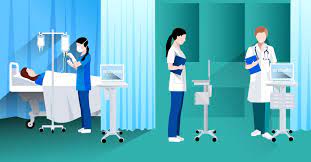
Real-time charting at the point of care has many advantages for health care professionals. It provides a complete picture of a patient’s illness and history, helping clinicians make the best decisions possible. It also provides an enhanced patient experience by eliminating the need for duplicate documentation. As more health care professionals adopt this technology, it is expected that it will reduce errors in patient care and improve the quality of patient outcomes.
Electronic Health Records
The goal of electronic health records is to maintain accurate, timely patient information. Real-time charting helps physicians make the best decisions for their patients. It is the ability to capture patient data while it is being generated, which helps physicians make better clinical decisions and improve patient care. The benefits of real-time charting at the point of care are immense, and there are many applications for this type of technology.
Another benefit of real-time charting at the point of care is its ability to improve communication between professionals and patients and their families. Moreover, it helps nurses avoid travel time, save money on travel and avoid transcription and increase their quality of care. Similarly, remote monitoring also increases the amount of time spent with a patient. In addition, it helps nurses focus on patient care by reducing administrative time and improving workflow.
Real-Time Charting
Real-time charting at the point of care reduces administrative costs and delays in patient outcomes. With real-time data, health care professionals can identify patients with declining health earlier and plan better use of their staff and resources. This technology is already being used in many hospitals, and more research is needed to determine whether it can improve patient care. This innovation is a major step towards a more efficient healthcare system.
Unlike the previous system, real-time charting at the point of care has a number of advantages. Among them is that it saves time and reduces errors. In fact, the system is expected to reduce medication errors by allowing nurses to focus on patient care and prevent mistakes. It also improves quality of care. These benefits of real-time charting are well documented.
Up-To-Date Patient Records
By providing accurate, up-to-date patient records, real-time charting at the point of care reduces the need for duplicate data entry. It also streamlines the workflow of healthcare professionals, allowing them to spend more time with patients. By using real-time charting at the point of-care, clinicians can easily see changes in patient information. By improving their workflows, real-time recording can also increase the quality of care.
The real-time recording of patient data at the point of care helps improve patient safety and care. It provides a complete picture of the patient. It also eliminates the need for transcription. The time it saves is also spent with the patient. The system should also have a robust data security policy. It should be compatible with the EMR. With real-time charting, doctors can easily see the details of the patients they treat.
Communication & Increased Efficiency
The Clinical Benefits of a Real-time Chart at the Point of Care include better communication and increased efficiency. The integration of electronic medical records with other healthcare systems will improve the workflow. In addition to enhancing patient care, real-time charting at the point of care will reduce transcription time. Further, it will enhance the quality of care, allowing clinicians to focus on their patients.
Final Words:
Real-time Charting at the Point of Contact with a Patient enables physicians to document vital information about a patient at the point of care. This streamlined workflow allows doctors to spend more time on patient care. This means that healthcare facilities can focus their resources on the treatment of patients. In fact, this approach will allow doctors to make the most informed decisions possible. It will also help prevent errors and improve patient safety read more.