
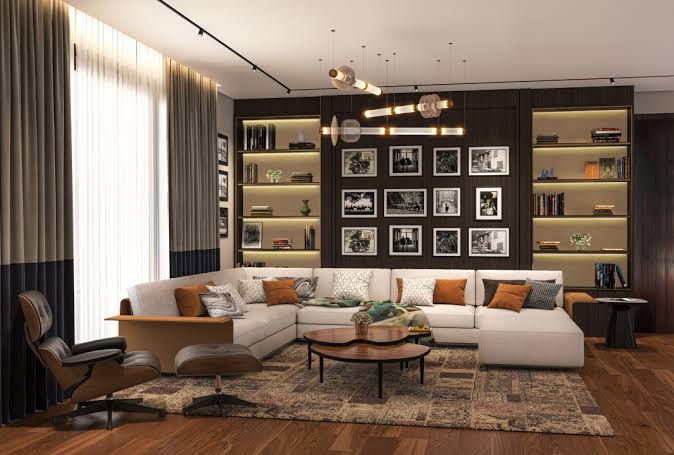
Global design styles have significantly shaped how people approach home renovations, blending diverse cultural aesthetics with local tastes and preferences. This fusion creates visually stunning interiors and allows homeowners to explore functional designs that enhance daily living. We will explore how international design trends influence home renovation projects at Opulent Design Build, examining how these styles adapt to local materials, lifestyles, and architectural elements. By understanding these influences, homeowners can find inspiration from global trends while staying true to their unique needs and surroundings.
Adapting Scandinavian Minimalism to Local Homes
Scandinavian design is celebrated for its minimalism, functionality, and warm tones, making it a popular choice in modern home renovations worldwide. This style emphasizes simplicity, natural materials, and a focus on light, which is particularly appealing in urban environments where space and light are often limited. Local adaptations of Scandinavian design often involve integrating materials like locally sourced wood, which brings a regional touch to this global aesthetic. For instance, Scandinavian interiors in tropical climates might incorporate lighter woods like bamboo instead of traditional pine or oak to suit the environment.
Moreover, this design style is flexible enough to accommodate cultural nuances. While Scandinavian homes prioritize neutral colors, local interpretations might introduce vibrant hues or regional patterns to reflect the area’s cultural identity. Integrating functional furniture, such as multipurpose storage units, aligns with the minimalist ethos and caters to urban living challenges. Scandinavian design’s adaptability highlights its universal appeal while leaving room for local creativity.
The Appeal of Japanese Wabi-Sabi in Renovations
Japanese Wabi-Sabi focuses on the beauty of imperfection, making it a deeply meaningful design philosophy in modern renovations. Rooted in traditional Japanese culture, it emphasizes simplicity, natural materials, and an appreciation for aging and imperfection. Local home renovators often draw inspiration from Wabi-Sabi to create serene, minimalist spaces that reflect a sense of calm and balance. This philosophy resonates with those seeking an escape from the fast-paced modern lifestyle.
Incorporating Wabi-Sabi into local renovations involves using raw, organic materials like stone, wood, and clay. These materials are sustainable and bring an earthy, grounded feel to the home. Imperfect finishes, such as uneven plaster walls or handcrafted ceramics, add character and authenticity. Additionally, Wabi-Sabi’s emphasis on decluttering aligns with contemporary preferences for clean, organized living spaces. By integrating this timeless philosophy, local homeowners can create environments that foster tranquility and mindfulness while honoring the natural beauty of imperfection.
Mediterranean Charm Meets Local Sensibilities
Mediterranean design, known for its vibrant colors, rustic textures, and timeless elegance, has influenced home renovations globally. This style often features terracotta tiles, exposed wooden beams, and stucco walls that evoke a sense of warmth and tradition. Local adaptations of Mediterranean design integrate these elements while tailoring them to regional climates and materials. For example, in areas with high humidity, ceramic tiles may replace terracotta for better durability.
The Mediterranean approach also emphasizes indoor-outdoor living, which aligns with local lifestyles in regions with warm climates. Homeowners can create seamless transitions between indoor and outdoor spaces by incorporating courtyards, patios, or large windows. Color palettes inspired by Mediterranean landscapes, such as ocean blues and sun-drenched yellows, add a cheerful touch to interiors. Through these adaptations, Mediterranean design preserves its timeless charm and becomes a practical and aesthetically pleasing choice for local renovations.
Industrial Design’s Global Appeal
With its raw and edgy aesthetic, industrial design has gained popularity for its ability to transform old spaces into trendy, modern environments. This style, originating in urban lofts and factories, emphasizes exposed materials like brick, concrete, and metal, giving spaces a rugged yet sophisticated vibe. Local home renovations often incorporate industrial elements to add character to contemporary homes.
In adapting industrial design, homeowners may combine its signature features with local materials and textures. For instance, reclaimed wood can soften the starkness of metal and concrete, creating a balance between warmth and industrial ruggedness. Open floor plans, a hallmark of industrial design, are also popular in urban areas where maximizing space is essential. Lighting plays a crucial role, with pendant lights and Edison bulbs adding a vintage touch. By blending industrial aesthetics with local materials and practical considerations, this design style uniquely revitalizes spaces.
Modern Bohemian Influences on Local Renovations
The modern Bohemian style celebrates individuality, eclecticism, and cultural diversity, making it an ideal choice for homeowners seeking to create unique spaces. This style often incorporates vibrant patterns, natural textures, and various colors, reflecting a laid-back yet sophisticated aesthetic. Local adaptations of Bohemian design often draw from regional craftsmanship, incorporating handmade textiles, pottery, or artwork.
Incorporating Bohemian elements into local renovations involves layering textures and patterns to create a cozy, lived-in feel. Rugs, cushions, and curtains made from local materials can add a personal touch while supporting traditional artisans. Plants play a significant role in Bohemian interiors, adding vibrancy and a connection to nature. By blending Bohemian design with local influences, homeowners can create both worldly and deeply personal spaces, celebrating the harmony of global inspiration and regional identity.
The influence of global design styles in local home renovations highlights the dynamic nature of interior design and architecture. By adapting Scandinavian minimalism, Japanese Wabi-Sabi, Mediterranean charm, industrial aesthetics, and modern Bohemian vibes, homeowners can create spaces that are visually appealing, functional, and reflective of their unique identities. Integrating diverse design philosophies fosters a deeper appreciation for cultural diversity and innovation in home renovation projects.