
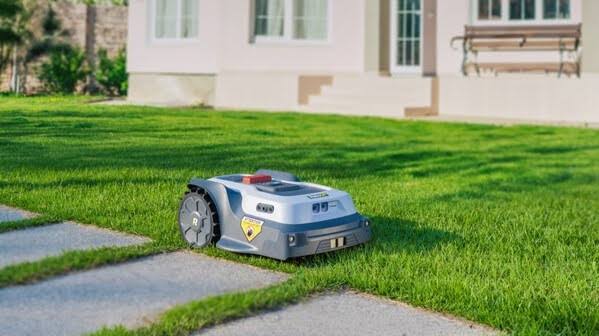
As technology continues to reshape industries, landscaping is undergoing a significant transformation. In 2025, integrating smart devices, artificial intelligence, and sustainable practices will revolutionize yard care, providing homeowners with tools to maintain their outdoor spaces efficiently. These innovations, from automated irrigation systems to robotic mowers, address common landscaping challenges while promoting eco-friendly practices. We will explore the technologies driving this change, their impact on yard maintenance from Burlingame Landscaper, and how they empower individuals to create beautiful, functional, and sustainable outdoor environments.
Smart Irrigation Systems for Efficient Water Use
Water conservation remains a critical focus for modern landscaping. Smart irrigation systems have become essential for maintaining vibrant lawns and gardens without wasting resources. These systems use weather data, soil sensors, and plant-specific requirements to deliver precise amounts of water where needed. Unlike traditional systems, smart irrigation minimizes water loss by adjusting schedules based on real-time conditions, such as rainfall or soil moisture.
For example, in regions experiencing prolonged droughts, these systems ensure plants receive adequate hydration without depleting local water supplies. Many systems connect to mobile apps, allowing homeowners to monitor and control irrigation remotely. This convenience ensures landscapes remain healthy even during vacations or busy work schedules. In 2025, smart irrigation systems will become indispensable for eco-conscious yard care by reducing water waste and optimizing plant health.
Robotic Lawn Mowers for Hands-Free Maintenance
Robotic lawn mowers have transformed the way people approach yard maintenance. These autonomous devices navigate lawns using GPS technology, sensors, and mapping capabilities, trimming grass evenly without human intervention. Unlike traditional mowers, robotic models operate quietly and are programmed to avoid obstacles, ensuring safety and precision.
These machines offer homeowners significant time savings, as they can maintain lawns daily, promoting healthier grass growth. Advanced models even integrate with weather forecasts, adjusting mowing schedules to avoid rain or extreme temperatures. With solar-powered options available, these devices align with sustainable practices, reducing energy consumption.
Robotic mowers are especially beneficial for individuals with large properties or physical limitations. They provide an accessible solution for maintaining pristine lawns. The ability to control these devices through smartphone apps adds to their appeal. They make yard care more efficient and less labor-intensive.
Smart Garden Monitoring for Plant Health
Technology has also revolutionized plant care through smart garden monitoring systems. These devices use sensors to measure soil moisture, temperature, light levels, and nutrient content, offering real-time insights into plant health. Homeowners receive alerts and recommendations via mobile apps, enabling them to address issues promptly and ensure optimal growing conditions.
For instance, a smart garden monitor can detect when a plant requires more sunlight or specific nutrients, allowing adjustments to be made immediately. This precision improves plant vitality and reduces the risk of overwatering or over-fertilizing, which can harm the environment.
By leveraging data-driven insights, homeowners can cultivate thriving gardens with minimal guesswork. These systems support diverse gardening styles, from vegetable plots to ornamental landscapes, and encourage sustainable practices by optimizing resource use. In 2025, smart garden monitoring has made cultivating lush and healthy gardens more achievable for everyone.
AI-Powered Landscaping Design Tools
Artificial intelligence has entered the realm of landscape design, offering tools that simplify planning and execution. AI-powered platforms analyze property dimensions, climate, and homeowner preferences to create customized landscaping plans. These tools generate 3D visualizations, allowing users to explore different layouts and designs before committing to a project.
For example, an AI tool might suggest drought-tolerant plants for arid regions or recommend shade-tolerant options for properties with limited sunlight. This tailored approach ensures landscapes are visually appealing and suited to their environments. Additionally, AI tools can calculate costs, helping homeowners budget effectively for their projects.
These platforms empower individuals to actively shape their outdoor spaces by streamlining the design process. Integrating virtual and augmented reality further enhances the experience, enabling users to visualize changes in real-time. By 2025, AI-powered tools will have democratized landscaping design, making it more accessible and user-friendly.
The Role of Drones in Yard Care
Drones have entered landscaping, offering innovative solutions for monitoring and maintaining outdoor spaces. Equipped with cameras and sensors, drones provide aerial views of properties, allowing homeowners to assess plant health, detect pests, and identify problem areas.
Drones are useful for surveying hard-to-reach areas in large properties or commercial landscapes. Advanced models can even precisely apply fertilizers or pesticides, reducing waste and environmental impact. This targeted approach ensures resources are used efficiently while minimizing potential harm to non-targeted plants or animals.
The ability to capture high-resolution images and data makes drones valuable tools for creating detailed landscaping plans. By providing insights that were once difficult or time-consuming to obtain, drones have enhanced the efficiency and accuracy of yard care in 2025.
The rise of smart landscaping in 2025 showcases how technology revolutionizes yard care. Innovations such as smart irrigation systems, robotic mowers, AI-powered design tools, and drones have made maintaining outdoor spaces more efficient, sustainable, and accessible. By addressing common challenges and promoting eco-friendly practices, these advancements empower homeowners to create beautiful and functional landscapes. As technology continues to evolve, the future of landscaping promises even greater possibilities, ensuring that yard care remains a dynamic and transformative field.